
Walking for Weight Loss: A Complete Guide to Burn Fat, Boost Metabolism, and Transform Your Health
Learn how to use walking for weight loss with step goals, calorie burn, benefits, techniques, and a 7-day walking plan. A complete guide to burn fat naturally and sustainably.
HEALTH AND WELLNESS
1/2/20253 min read

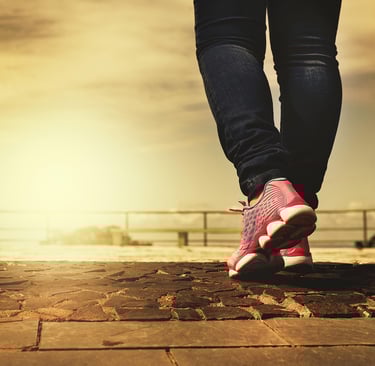
Walking is one of the simplest, safest, and most effective forms of exercise for weight loss. Whether you are a beginner or someone returning to fitness, walking for weight loss offers a sustainable path to burning calories, improving metabolism, and achieving long-term fat loss—without expensive equipment or gym memberships.
In this guide, we break down how walking helps with weight loss, benefits, how many steps you actually need, the best techniques, and a sample walking plan for faster results.
Why Walking Works for Weight Loss
Walking is a low-impact aerobic activity that helps burn calories consistently while supporting muscle tone and cardiovascular health.
Key benefits of walking for fat loss:
Burns calories without exhausting the body
Reduces belly fat by lowering cortisol levels
Improves insulin sensitivity and reduces cravings
Boosts metabolism when paired with strength training
Helps maintain a calorie deficit without extreme dieting
Walking is also sustainable, making it easier to maintain weight loss over time.
How Many Steps Do You Need for Weight Loss?
While 10,000 steps per day is a popular benchmark, weight loss can begin at 7,000–8,500 steps if done consistently.
Recommended step goals:
Beginners: 6,000–7,000 steps/day
Weight loss target: 8,000–10,000 steps/day
Faster fat burn: 12,000+ steps/day
For visible results, combine daily steps with 3–5 brisk walking sessions per week.
How Long Should You Walk to Lose Weight?
For effective fat loss, aim for:
30 minutes of brisk walking (moderate pace)
5 days per week
OR 20 minutes of fast-paced walking (higher intensity)
Breaking it into two 15-minute sessions is equally effective and easier for busy schedules.
Best Walking Techniques for Weight Loss
1. Brisk Walking
This is the most effective pace for fat burning.
Target speed: 5–6 km/h
2. Incline Walking
Walking uphill activates glutes and hamstrings, burning more calories in less time.
3. Interval Walking
Alternate between fast and moderate pace.
Example: 1 minute fast, 2 minutes normal pace.
This boosts metabolism and improves endurance.
4. Arm Swing Technique
Swing arms at a 90-degree angle to increase calorie burn by up to 10–15%.
5. Correct Posture
Keep chest open
Shoulders relaxed
Core engaged
Proper posture prevents injuries and increases efficiency.
Calories Burned During Walking
Calorie burn varies by pace, weight, and terrain. On average:
Slow walk (4 km/h): 150–180 calories/hour
Brisk walk (5–6 km/h): 250–350 calories/hour
Fast walking (6.5+ km/h): 350–450 calories/hour
Walking on inclines or stairs increases calorie burn significantly.
Best Time of Day to Walk for Weight Loss
You can walk anytime, but the most beneficial times include:
Morning walks – regulate hunger hormones
Post-meal walks – improve digestion and reduce blood sugar spikes
Evening walks – help relieve stress and reduce emotional eating
Choose a schedule you can maintain consistently.
What to Eat for Better Walking Results
Pair your walking routine with a balanced diet to speed up fat loss.
Eat more:
High-protein foods (dal, chana, paneer, tofu, eggs)
Fiber-rich foods (vegetables, oats, fruits)
Healthy fats (nuts, seeds, avocado)
Avoid:
Sugary drinks
Excess snacking
Ultra-processed foods
Staying hydrated enhances performance and metabolism.
7-Day Walking Plan for Weight Loss (Beginner-Friendly)
Day 1: 20 minutes brisk walk
Day 2: 25 minutes brisk walk
Day 3: 20 minutes interval walk (1 min fast / 2 min moderate)
Day 4: Rest or light stretching
Day 5: 30 minutes brisk walk
Day 6: 25 minutes incline walk or stairs
Day 7: 40 minutes relaxed walk + deep breathing
Repeat weekly and increase time or pace gradually.
Tips to Stay Consistent
Use a fitness tracker or step counter
Listen to podcasts or music to stay motivated
Walk with a friend or join a walking group
Track progress weekly
Wear comfortable walking shoes
Choose scenic or open areas to enjoy the walk
Small habits build big results.
Walking for weight loss is effective, sustainable, and suitable for all ages. By increasing your daily steps, incorporating brisk and interval walking, maintaining a balanced diet, and following a structured plan, you can achieve noticeable fat loss in just a few weeks. Start slow, stay consistent, and let walking transform your body and health.
The Prime Chronicle © 2024
Stay Inspired
Get fresh wellness tips straight to your inbox
We care about your data in our privacy policy.